
Stoic Archetype
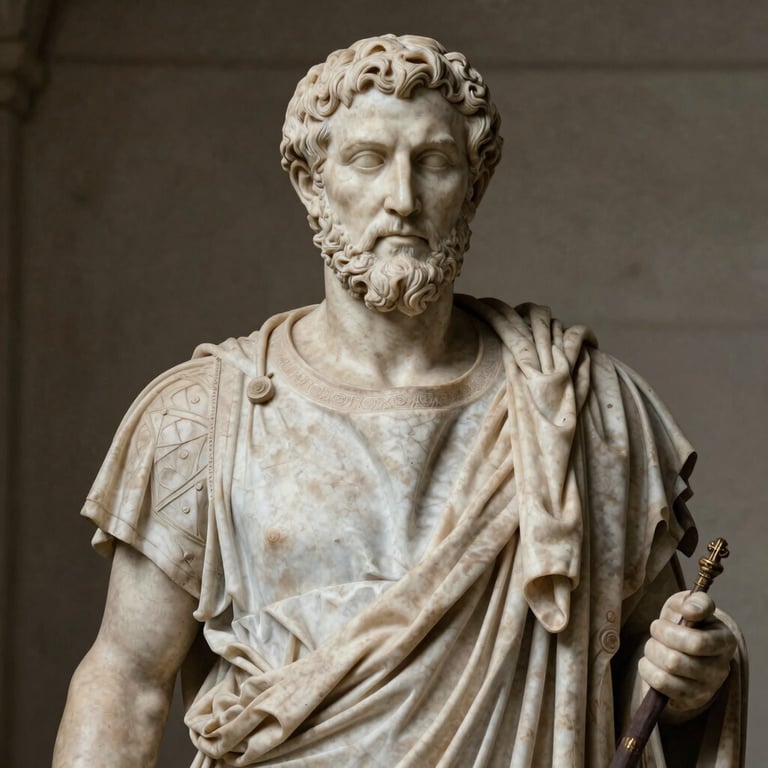
Masculines are often placed into the Stoic orientation early in life, sometimes by necessity rather than choice. This structure develops in environments where stability depends on self-containment. The Stoic learns to hold steady. Others may turn to him in moments of uncertainty because he does not easily lose his footing. His presence brings order when situations feel unpredictable.
Internally, the Stoic masculine tends to observe before reacting. Emotional experiences are processed carefully, often in solitude. This creates a perceived strong internal foundation. He becomes familiar with discomfort and learns he can endure it. Over time, this produces resilience. Challenges do not feel like interruptions to his identity. They feel like conditions he was built to withstand.
Others often experience the Stoic as dependable and grounded. He does not demand attention, yet his presence carries weight. People may feel safer when he is nearby, even if they cannot explain why. His steadiness creates predictability. His independence allows him to move through difficulty without requiring constant reassurance. This quiet self-reliance often becomes a source of respect.
The same qualities that create stability can also create distance when held too firmly. Emotional experiences may remain internal longer than others expect. People may misinterpret his restraint as disinterest or detachment. Rigidity can develop when stability becomes closely tied to control. Adaptability strengthens this structure. The Stoic masculine becomes most effective when he allows himself access to both firmness and openness, holding his ground when necessary and yielding when movement serves him better.
In any trait, there are variations. Not all qualities will apply neatly, as much as we might want them to. Traits are not inherently positive or negative. They are sources of both strength and learning. Cultivating a constructive view of Stoicism, while also recognizing its challenges, can contribute to a more resilient and well-rounded masculinity.


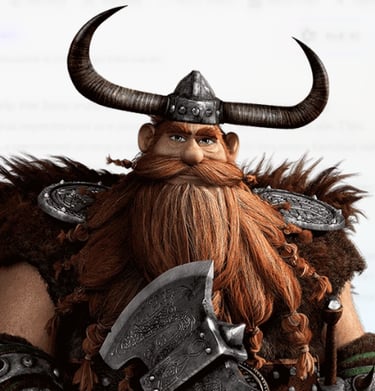


Pop culture and history offer several examples of Stoic figures. Spock and Captain Picard from Star Trek, Jason Bourne from the Bourne Identity series, Batman from DC Comics, Sarah Connor from Terminator, Neo from The Matrix, and Marcus Aurelius, the Roman emperor and philosopher, each embody disciplined restraint and internal stability. Even in How to Train your Dragon, the main character has a father named "Stoick." Their strength is rooted in their composure. Their presence remains steady even when the world around them changes.
Assertive – Passive
Controlled – Communicative
Independent –Interdependent
Marcus Arellius
Learn more about the other archetypes
Stoic • Harmonious • Balanced • Sociable • Autonomous • Collaborative • Adaptable • Engaging • Proportionate
Strengths:
Resilience, mindfulness, rational decision-making, quiet strength
What It Is Not: Emotionlessness, coldness, or lack of care
Watch For: Emotional suppression, withdrawal as coping, rigidity, perceived detachment or insensitivity
Complimentary: Engaging
Core Traits: Calm, logical, independent, emotionally reserved




Get the book
Learn more about your masculinity type by diving deeper into the foundational traits that define it. We are excited to let you know that your copy of the book is coming soon, packed with expanded insights, tailored strategies, and actionable steps to identify your specific masculinity archetype, but more so to help you master yourself. Get ready to unlock the full potential of your results and take your journey to the next level.
Not available...yet.
Connect
If you’re in crisis or thinking about suicide, call or text 988 for immediate help. You’re not alone—support is available 24/7.
Email
jim@maced.one
PHONE
385-542-2188 (Utah and Idaho)
© 2026. All rights reserved.