
Engaging
Archetype


The Engaging masculine brings energy into relational space. He connects easily and communicates with confidence. Emotional expression feels natural and immediate. Others often feel seen and included in his presence. He creates momentum within groups, helping people move toward shared goals with greater confidence.
Internally, he experiences connection as a source of strength. Emotional communication allows him to process experience while reinforcing relational bonds. Assertiveness allows him to contribute direction without withdrawing from collaboration. This creates a sense of shared movement. People often feel more capable and motivated when he is involved.
This structure often develops in environments where emotional expression and relational participation created belonging. He learned that his presence could influence outcomes. Emotional openness allowed him to form durable connections. Assertiveness allowed him to maintain agency within those relationships. Over time, he developed confidence in his ability to engage directly rather than remain on the outside.
Relational energy can gradually become a source of depletion when boundaries remain unclear. He may invest deeply in maintaining connection, even when recovery is needed. Group stability may take priority over his internal stability. He may remain present in environments that no longer sustain him. Attention to his own limits strengthens this structure. When he allows himself to disengage as intentionally as he engages, his presence remains both powerful and sustainable.
As with any trait, there are variations. Not all will be applicable as much as we want to neatly fit into a particular container. Traits are not inherently positive or negative; all of them are a potential source of learning and strength. Cultivating and embracing a constructive view on any trait can contribute to a more well-rounded and resilient masculinity.



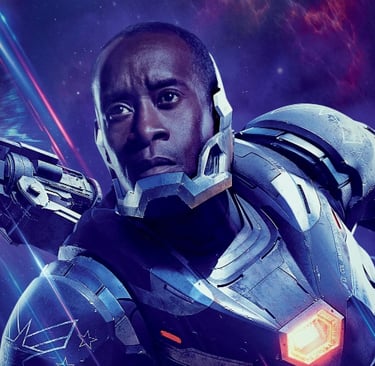

Pop culture offers clear examples of the Engaging structure. Jack Dawson from Titanic, Poe Dameron from Star Wars, James “Rhodey” Rhodes from Marvel’s Iron Man, and Sully from Monsters, Inc. each demonstrate assertive emotional presence anchored in relational connection. Diana Prince from Wonder Woman also reflects this structure. Her strength emerges through emotional openness and her ability to unite others toward shared purpose.
Assertive – Passive
Controlled – Communicative
Independent –Interdependent
Learn more about the other archetypes
Stoic • Harmonious • Balanced • Sociable • Autonomous • Collaborative • Adaptable • Engaging • Proportionate

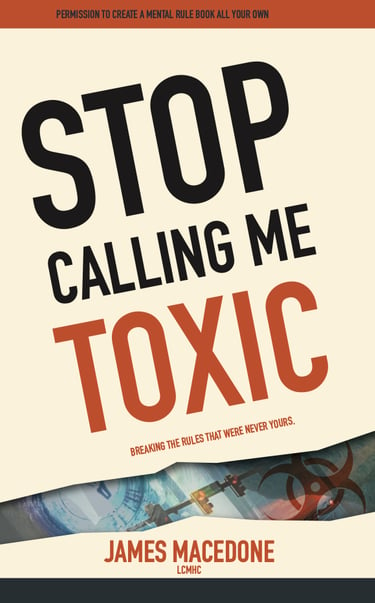
Get the book
Learn more about your masculinity type by diving deeper into the foundational traits that define it. We are excited to let you know that your copy of the book is coming soon, packed with expanded insights, tailored strategies, and actionable steps to identify your specific masculinity archetype, but more so to help you master yourself. Get ready to unlock the full potential of your results and take your journey to the next level.
Not available...yet.
Connect
If you’re in crisis or thinking about suicide, call or text 988 for immediate help. You’re not alone—support is available 24/7.
Email
jim@maced.one
PHONE
385-542-2188 (Utah and Idaho)
© 2026. All rights reserved.