
Balanced Archetype


The Balanced masculine carries both openness and independence without sacrificing either. He allows others to see who he is while remaining grounded in himself. Emotional expression feels natural. Solitude feels natural. Neither threatens his stability. This creates a steady internal foundation that does not depend on constant validation or isolation to remain intact.
Others often experience him as approachable and trustworthy. He communicates with clarity and warmth, allowing people to feel understood without feeling managed. His independence allows him to move without needing permission. His openness allows others to move closer without resistance. This combination creates quiet authority. People listen to him because he remains present rather than imposing himself.
This structure often develops in environments where both individuality and emotional expression were permitted. He learned he could stand on his own without disconnecting from others. Emotional communication became a tool for connection rather than a risk to stability. Independence became a source of strength rather than separation. Over time, he developed the ability to remain emotionally available without losing his center.
Certain environments may not immediately recognize this form of strength. Settings that reward dominance or emotional detachment may overlook his presence or misinterpret gentleness as lack of conviction. This can create pressure to withdraw, over-accommodate, or remain quiet when clarity would serve him better. Paying attention to these moments strengthens this structure. As he allows firmness to exist alongside openness, his presence becomes easier for others to recognize and harder to dismiss, while remaining fully aligned with who he is.
As with all traits, variations exist. Not all qualities will apply perfectly, nor should they. Traits are not inherently good or bad; they are potential sources of both learning and strength. Cultivating a constructive view of Balance can deepen resilience and broaden our understanding of what healthy masculinity looks like.
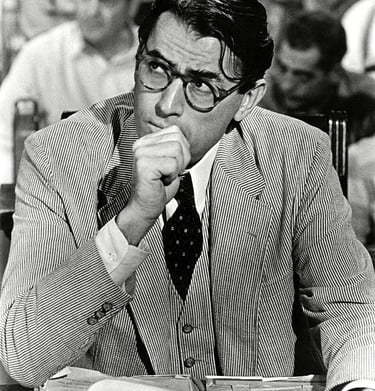
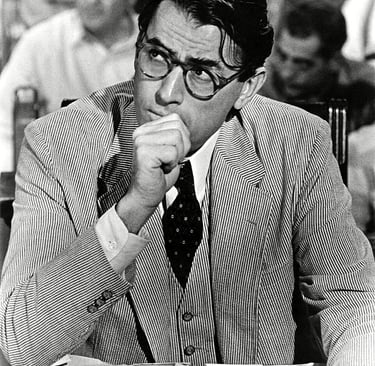
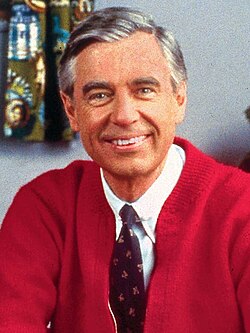
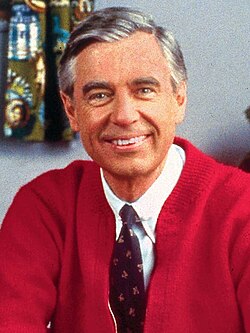


Pop culture gives us many examples of Balance. Atticus Finch from To Kill a Mockingbird, Obi-Wan Kenobi from Star Wars, Fred Rogers from Mister Rogers’ Neighborhood, Charles Xavier from the X-Men series, Jim Halpert from The Office, and Chidi Anagonye from The Good Place each demonstrate emotional openness anchored by internal independence. Princess Diana may also reflect this structure. Her warmth created connection across cultures while her independence allowed her to redefine her role on her own terms. Their presence demonstrates how emotional openness and self-direction can coexist without conflict.
Assertive – Passive
Controlled – Communicative
Independent –Interdependent
Learn more about the other archetypes
Stoic • Harmonious • Balanced • Sociable • Autonomous • Collaborative • Adaptable • Engaging • Proportionate
Balanced Strengths
Warmth in relationships, authentic emotional communication, self-sufficiency, calm leadership
What It Is Not: Weakness, indecision, passivity, over-dependence on others
Watch For: Being overlooked in dominance-driven settings, misjudged as "too soft," avoiding extremes to the point of seeming lukewarm
Complimentary: Collaborative
Core Traits: Gentle, diplomatic, emotionally open, independent




Get the book
Learn more about your masculinity type by diving deeper into the foundational traits that define it. We are excited to let you know that your copy of the book is coming soon, packed with expanded insights, tailored strategies, and actionable steps to identify your specific masculinity archetype, but more so to help you master yourself. Get ready to unlock the full potential of your results and take your journey to the next level.
Not available...yet.
Connect
If you’re in crisis or thinking about suicide, call or text 988 for immediate help. You’re not alone—support is available 24/7.
Email
jim@maced.one
PHONE
385-542-2188 (Utah and Idaho)
© 2026. All rights reserved.